

 español
 English
 français
 Deutsch
 العربية
 中文
中文
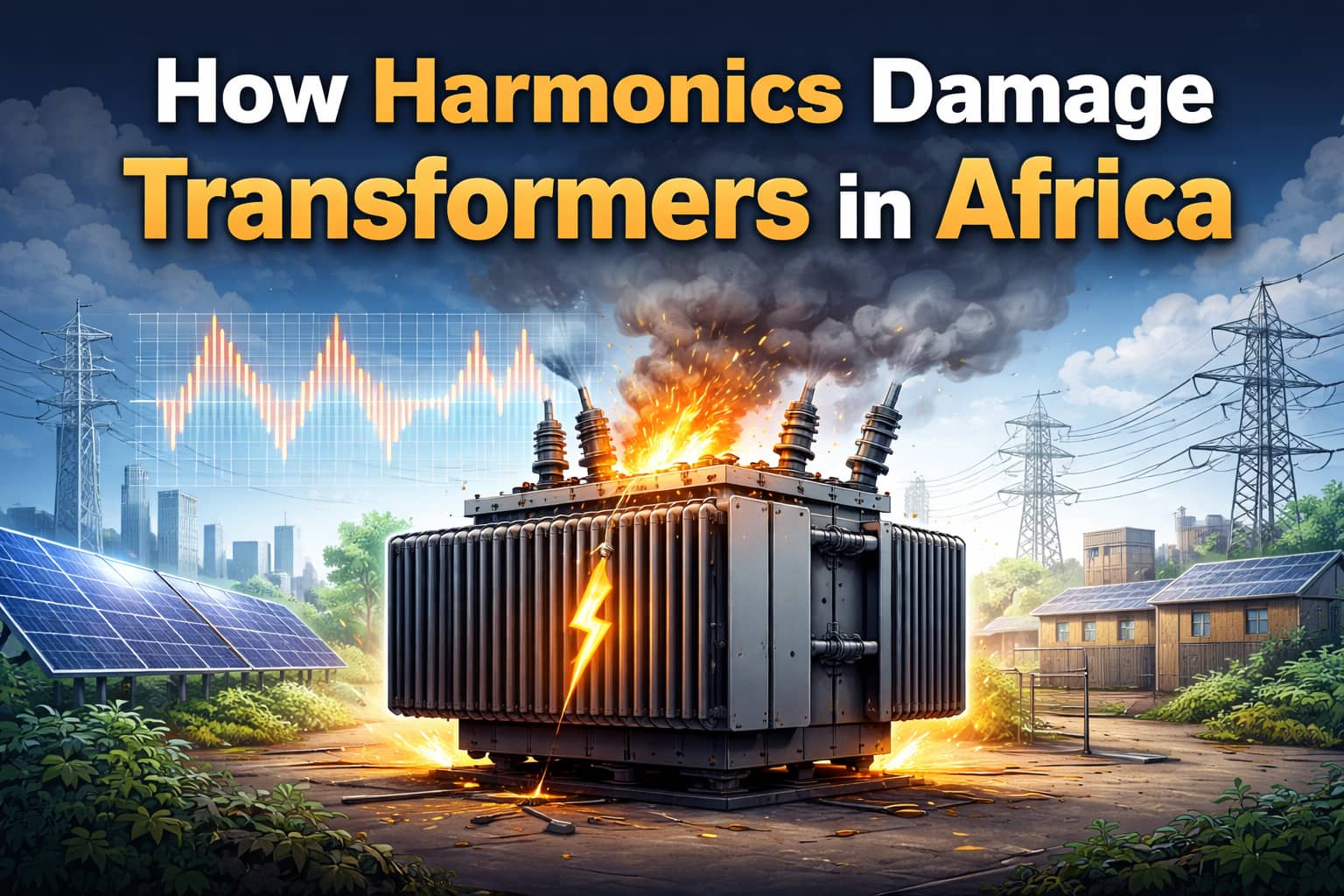
La calidad del suministro eléctrico es un problema cada vez mayor en África. Muchos emplazamientos utilizan ahora inversores solares, variadores de frecuencia, sistemas de baterías, sistemas de alimentación ininterrumpida (UPS) e iluminación LED. Estas cargas mejoran la eficiencia, pero también generan corrientes armónicas y problemas de potencia reactiva. Esta es una de las razones por las que los armónicos dañan los transformadores en las instalaciones modernas.
En muchos sistemas eléctricos industriales africanos, los transformadores soportan la carga de toda la red. Cuando la calidad de la energía es deficiente, los transformadores se calientan más y pierden eficiencia. Con el tiempo, esto conlleva mayores pérdidas, un envejecimiento acelerado y un mayor mantenimiento. Por ello, la calidad de la energía de los transformadores en África se está convirtiendo en un problema grave para ingenieros y operadores de plantas.
En toda África, las industrias se están modernizando. Edificios comerciales, fábricas, granjas, plantas de tratamiento de agua, centros de telecomunicaciones y proyectos solares utilizan cada vez más electrónica de potencia. Estos dispositivos mejoran la eficiencia, pero también generan frecuencias armónicas que distorsionan las formas de onda de la corriente.
Ese es el núcleo del problema de la calidad de la energía de los transformadores en África. Se espera que los transformadores soporten una demanda creciente, condiciones de operación inestables y cargas mixtas simultáneamente. En muchos sitios del África subsahariana, los transformadores ya operan en condiciones difíciles debido a la escasa estabilidad de la red, los cortes de energía, la demanda fluctuante y la expansión de la red. Cuando a esto se suman la distorsión armónica y los problemas de potencia reactiva, la tensión en los transformadores aumenta aún más rápidamente.
La frase «los armónicos dañan los transformadores» no es teórica. Describe un problema eléctrico real que afecta directamente a la temperatura, la eficiencia y la vida útil del transformador.
Las corrientes armónicas aumentan la corriente eficaz dentro de los devanados del transformador. Esto provoca mayores pérdidas de cobre, mayores pérdidas parásitas y un mayor calentamiento del núcleo. Con el tiempo, estas pérdidas adicionales generan problemas de sobrecalentamiento por armónicos que dañan el aislamiento y reducen la vida útil del transformador.
Cuando los armónicos dañan los transformadores, los efectos más comunes incluyen:
temperatura de bobinado más alta
mayor estrés de aislamiento
eficiencia reducida del transformador
menor capacidad útil del transformador
conductores neutros calientes en sistemas trifásicos de 4 hilos
viajes de protección más frecuentes
Fiabilidad reducida a largo plazo
Esto es especialmente común en instalaciones con inversores solares, cargadores de baterías, variadores de frecuencia, rectificadores, sistemas UPS e iluminación LED. Estas cargas no lineales inyectan múltiples frecuencias armónicas en el sistema y empeoran la distorsión de voltaje.
Junto con los armónicos, la potencia reactiva es otra causa importante de sobrecarga en los transformadores. Las pérdidas por potencia reactiva se producen cuando un transformador debe transportar corriente adicional que no genera potencia activa útil. Incluso si la carga real se mantiene constante, un factor de potencia bajo obliga al transformador a trabajar más.
Eso significa:
corriente más alta
mayores pérdidas I²R
más calor
uso menos eficiente del transformador
capacidad reducida del sistema
En los sistemas eléctricos industriales africanos, este problema es común cuando motores, bombas, compresores, sistemas de climatización y cargas inductivas mixtas operan sin la compensación adecuada. En estas condiciones, las pérdidas por potencia reactiva del transformador se convierten en un costo oculto. Si bien el transformador puede parecer dimensionado correctamente, un factor de potencia deficiente provoca que se caliente más y se deteriore más rápidamente.
Los problemas de sobrecalentamiento por armónicos en transformadores son cada vez más comunes debido a que las instalaciones modernas combinan cargas con interferencias en la misma red. Un solo sitio puede incluir:
inversores solares
Motores accionados por variador de frecuencia
Sistemas UPS
Líneas de producción automatizadas
equipos de datos
sistemas de baterías
Iluminación LED
Ascensores y variadores de frecuencia para sistemas de climatización
Cada uno de estos factores puede afectar la calidad de la forma de onda. En conjunto, generan corrientes armónicas y una demanda de potencia reactiva inestable que eleva la temperatura del transformador. Si además la instalación presenta niveles de tensión inestables o un suministro eléctrico poco fiable, el transformador opera con un margen térmico aún menor.
Por eso, muchos transformadores de distribución y transformadores de instalaciones en África sufren sobrecalentamiento incluso cuando la carga nominal no parece extrema sobre el papel.
Los bancos de condensadores tradicionales pueden ayudar a mejorar el factor de potencia, pero no son suficientes para muchas instalaciones modernas. Reaccionan lentamente y funcionan a intervalos fijos. En sistemas con alta densidad de armónicos, incluso pueden aumentar el riesgo de resonancia. Este es un problema en los sistemas de energía industrial africanos con cargas variables y baja calidad de forma de onda. Si el objetivo es una mejor mitigación de armónicos y una respuesta más rápida en tiempo real, generalmente se necesita una solución más avanzada.
Si el objetivo es una verdadera mitigación de armónicos y una compensación dinámica en tiempo real, se necesitan soluciones más avanzadas.
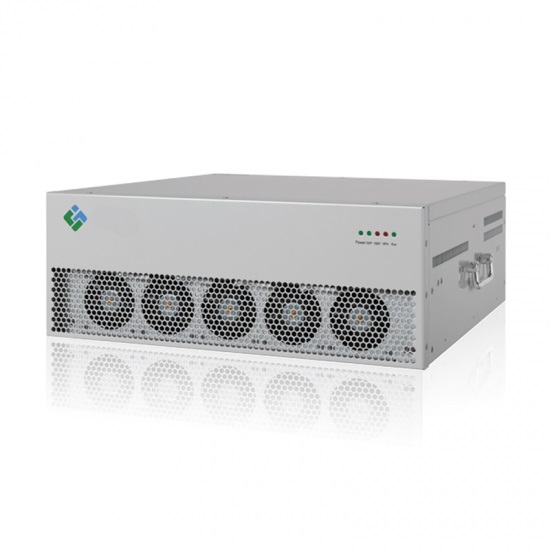
El sistema SVG para la protección de transformadores funciona proporcionando potencia reactiva en tiempo real. No depende de niveles fijos de capacitancia. Esto ayuda a reducir la corriente adicional, disminuir las pérdidas de potencia reactiva del transformador y reducir su calentamiento. Además, mejora el factor de potencia y optimiza el uso de la capacidad del transformador. En instalaciones con cargas que varían rápidamente, el sistema SVG ofrece una solución más estable y duradera.
Esto ayuda a los transformadores de la siguiente manera:
Reducción del exceso de corriente causado por un factor de potencia bajo.
reducción de las pérdidas de potencia reactiva en los transformadores
reduciendo el calor del transformador
Estabilización del factor de potencia bajo cargas fluctuantes
mejorar el uso de la capacidad del transformador
Apoyar la salud a largo plazo de los transformadores
En los sistemas de energía industrial africanos, el SVG para la protección de transformadores es especialmente útil en proyectos hídricos, edificios comerciales, fábricas, plantas solares y operaciones mineras donde los cambios de carga son frecuentes y la demanda reactiva es inestable.
El AHF para la protección de transformadores se utiliza cuando el transformador sufre distorsión armónica. Filtro armónico activo Detecta corrientes armónicas e inyecta corriente de compensación para cancelarlas en tiempo real.
Esto ayuda de la siguiente manera:
reducción de la corriente armónica
reducción de la distorsión de voltaje
reduciendo las pérdidas por bobinado y parásitas
ayudando a reducir los armónicos
mejorar la eficiencia del transformador
reducir el riesgo de sobrecalentamiento por armónicos del transformador
mejorar la fiabilidad de los transformadores a largo plazo
En instalaciones donde los armónicos dañan los transformadores, la protección contra sobretensiones armónicas (AHF) suele ser la solución más directa. Resulta especialmente valiosa en instalaciones con variadores de frecuencia (VFD), rectificadores, sistemas de alimentación ininterrumpida (UPS), inversores solares y grandes cantidades de iluminación LED.
Muchos problemas con los transformadores no se deben a una sola causa. Una instalación puede presentar simultáneamente un factor de potencia deficiente y una alta distorsión armónica. En ese caso, aplicar una sola solución deja parte del problema sin resolver.
Por eso, muchos emplazamientos en los sistemas de energía industrial africanos necesitan ambos:
SVG para protección de transformadores para resolver problemas de potencia reactiva
AHF para protección de transformadores para resolver la distorsión armónica
En conjunto, proporcionan una mitigación completa de armónicos y una compensación de potencia reactiva en tiempo real. Esto reduce el calentamiento del transformador, mejora el factor de potencia, disminuye las pérdidas y favorece la estabilidad a largo plazo.
En muchas instalaciones, los problemas de mala calidad de la energía en África se detectan primero a través de síntomas en los transformadores, en lugar de mediante una monitorización detallada.
Las señales de advertencia típicas incluyen:
sobrecalentamiento del transformador
empeoramiento del ruido o zumbido
Disparos repetidos del interruptor
fallas en bancos de condensadores
cables neutros con fase
factor de potencia inestable
Capacidad reducida del transformador
mantenimiento inexplicable
baja eficiencia del sistema
Si se presentan estos síntomas, el problema podría no ser únicamente el transformador. Podría tratarse de un problema más generalizado de mala calidad del suministro eléctrico en África, provocado por armónicos, desequilibrio de potencia reactiva y comportamiento distorsionado de la carga.
Para mejorar la calidad de la energía de los transformadores en África, los ingenieros deberían evaluar:
niveles armónicos
tendencia del factor de potencia
fluctuación de carga
fuente de cargas no lineales
carga del transformador
aumento de temperatura
corriente neutra
niveles de voltaje
estado de los transformadores de distribución
ya sea que el sitio necesite svg para protección de transformador, ahf para protección de transformador o ambos
Este paso es importante porque no todos los problemas de los transformadores se deben a una sobrecarga. En muchos casos, el problema de fondo radica en la calidad de la forma de onda.
La calidad de la energía de los transformadores en África es ahora un problema importante en los sistemas eléctricos modernos. A medida que más instalaciones incorporan energía solar, automatización y cargas electrónicas, aumenta el riesgo de que los armónicos dañen los transformadores y de que se incrementen las pérdidas por potencia reactiva.
Estos problemas generan más calor, menor eficiencia y una vida útil más corta de los transformadores. En muchos sistemas de energía industrial africanos, las soluciones tradicionales resultan insuficientes. El SVG para la protección de transformadores ayuda a gestionar la potencia reactiva en tiempo real. El AHF para la protección de transformadores contribuye a la mitigación de armónicos y a la obtención de formas de onda más limpias. En conjunto, ayudan a proteger los transformadores y a mejorar la fiabilidad del sistema a largo plazo.
Consulta gratuita
Si su proyecto presenta problemas de calidad de energía, como armónicos, potencia reactiva, bajo factor de potencia o sobrecalentamiento del transformador, contácteme para una consulta gratuita. Puedo analizar su aplicación y recomendarle una solución SVG o AHF adecuada.
Correo electrónico: johnbiruk@yt-electric.com



 compatible con la red ipv6